
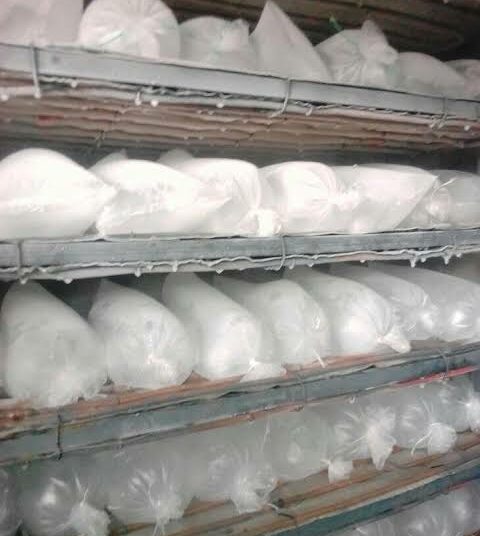

The ice block business is a profitable venture in Nigeria due to the country's warm climate and inconsistent power supply. Ice blocks are in high demand for preserving perishables, cooling drinks, and supporting businesses such as fish sellers, caterers, and event organizers. With the right approach, starting an ice block business can be a lucrative source of income.
Steps to Start an Ice Block Business
1. Conduct Market Research
Before starting, study the local market to understand demand in your local environment, the price of a block and if there are any competitions in the area. Identify potential customers, such as soft drink sellers, event planners and food vendors.
2. Create a Business Plan
A solid business plan should cover: Startup costs, target market, pricing strategy, equipment and supplies and marketing approach.
3. Secure Capital
The cost of starting an ice block business varies depending on scale. You can start small with a budget of N500,000 or go large-scale with N2 million or more depending on your location. You might want to secure a shop at a suitable spot in town or start from your backyard. Funding can come from personal savings, loans, or cooperative societies.
4. Choose a Suitable Location
Select a location with:
Reliable water supply
Space for storage and production
Accessibility for customers
If electricity supply is unstable, ensure you have an alternative power source.
5. Purchase Equipment and Materials
Essential items include:
Ice block-making machines or deep freezers
A generator (for backup power)
Plastic ice block molds or nylon bags
Water filtration system (for clean water)
Storage coolers
6. Source Clean Water
Water quality is critical. Use treated or filtered water to produce clear, safe ice blocks that attract more customers.
7. Set Up Power Supply
Since Nigeria’s electricity is unreliable, invest in:
A fuel or diesel generator
Solar power (if affordable)
Inverter and batteries
This ensures continuous production.
8. Produce and Package Ice Blocks
Fill plastic molds or nylons with clean water.
Place them in freezers or ice block machines.
Allow 8–12 hours for freezing, depending on freezer power.
Store in insulated coolers before delivery or sale.
9. Market Your Business
To attract customers:
Advertise on social media (Facebook, WhatsApp, Instagram).
Print flyers and posters.
Offer bulk discounts.
Partner with event planners and vendors.
10. Ensure Proper Management
Keep records of sales and expenses.
Maintain equipment regularly.
Provide excellent customer service to retain customers.
Profitability and Challenges
Potential Earnings
If you produce and sell 50 ice blocks daily at ₦500 each, you make ₦25,000 daily. Monthly revenue can be on the average of ₦750,000, with significant profit after expenses.
Challenges
Unstable power supply, which can of course be addressed with the advent of solar-powered freezers.
Fuel costs for generators
Competition
Water quality issues
Conclusion
The ice block business is a smart investment in Nigeria. With proper planning, reliable equipment, and good marketing, you can generate a steady income. By ensuring clean water, efficient production, and excellent customer service, you can stand out in the market and grow your business successfully.