
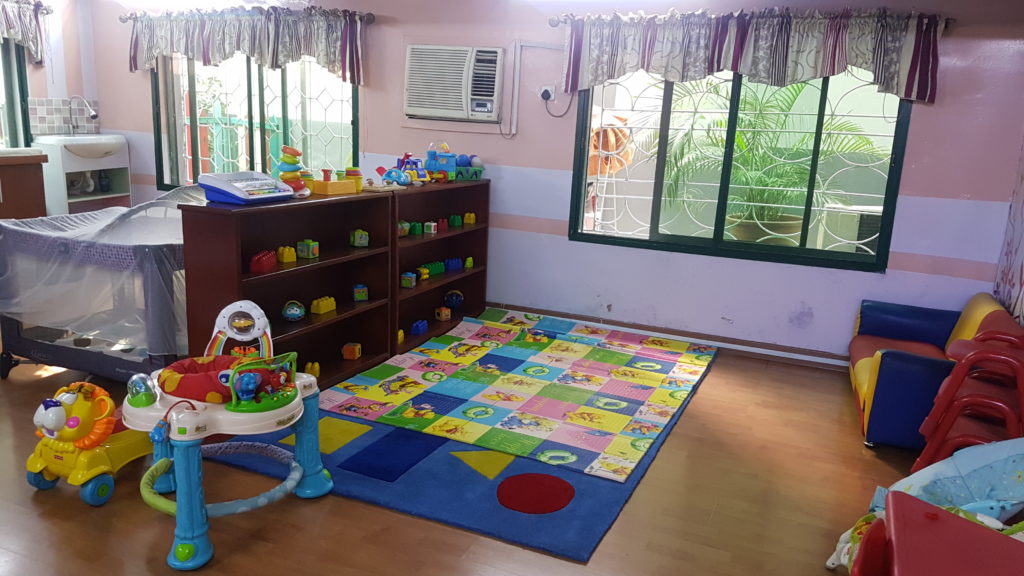

The creche business in Nigeria is growing fast due to the increasing number of working-class parents who need a safe place to leave their children while they go to work. With urbanization and the high cost of living, many families rely on dual incomes, making childcare services essential.
In this article, we will explore the profit potential of a creche business in Nigeria, its growth prospects, and the challenges involved.
The Profit Potential of a Creche Business
A creche can generate high income depending on location, services offered, and pricing.
1. Tuition Fees
The primary source of income for a creche is tuition fees. Depending on the area and quality of services, monthly fees range from ₦20,000 to ₦150,000 per child. In high-income neighborhoods, parents are willing to pay more for premium daycare services.
2. After-School Care
Many parents need extended childcare beyond normal school hours. Offering after-school care at an extra cost increases revenue. Some creches also provide weekend and holiday care for additional income.
3. Extra Services
Other ways to boost earnings include:
Feeding programs – Providing balanced meals at an additional cost.
Transportation services – Picking up and dropping off children for convenience.
Enrichment programs – Teaching music, dance, or foreign languages.
A creche with 20 children paying ₦50,000 per month can generate ₦1 million monthly, excluding other revenue sources. However, success depends on proper management, and a safe, clean environment.
Growth Prospects of the Creche Business in Nigeria
The childcare industry in Nigeria has a promising future due to several factors:
1. Increasing Urbanization and Working Parents
With more people moving to cities for work, the demand for daycare centers is rising. Many parents prefer private creches because government-run childcare centers are limited and often lack quality services.
2. Government Support for Early Childhood Education
The Nigerian government recognizes the importance of early childhood education. Policies supporting daycare centers and early learning provide opportunities for business owners. There are also grants and training programs for childcare providers.
3. Expansion Opportunities
Successful creche owners can scale their businesses by:
- Opening multiple branches in different locations.
- Franchising their brand to others.
Challenges in Running a Creche Business
Despite its profitability, running a creche comes with challenges:
1. Regulatory Requirements and Licensing
To operate legally, a creche must register with government agencies and meet safety, hygiene, and staffing regulations. Compliance can be costly and time-consuming.
2. Competition and Customer Trust
Parents are cautious about where they leave their children. Building a reputation for safety and quality service is crucial. To stand out, you will need excellent facilities, trained staff, and good word-of-mouth referrals.
3. Staffing and Operational Costs
Hiring qualified caregivers, teachers, and cleaners adds to expenses. Maintaining high safety and hygiene standards also requires continuous investment.
Conclusion
The creche business in Nigeria is a profitable and growing industry. With increasing demand for quality childcare, daycare owners can earn a steady income while providing essential services. However, success requires proper planning, good location choices, excellent service, and compliance with regulations.