
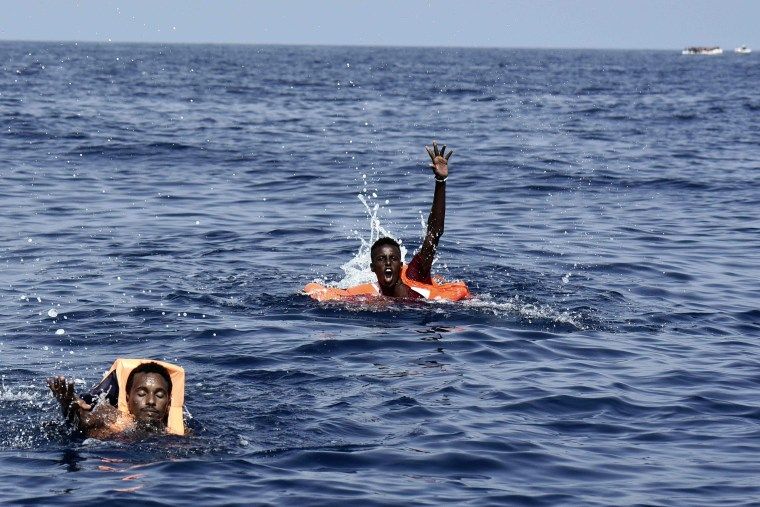

The Lagos Lagoon takes everything eventually. It took James Okoro on a humid Tuesday in 2009, when the overloaded ferry capsized near Ikoyi. His body was never recovered, just another statistic in the waters that separated Lagos Island from the mainland, another breadwinner swallowed by the city's indifferent embrace.
Fifteen years later, his children, Chioma and Emeka still lived in the same cramped flat in Surulere where they'd grown up. Now in their twenties, they worked the same grinding jobs their father had, trapped in the same cycle of survival he'd known too well.
Death, James discovered, was not the end of worry.
From the depths of the lagoon, he watched them. Not with eyes: those had long since fed the fishes in the lagoon, but with something deeper, a consciousness that refused to dissolve into the murky waters. The living think the dead are at peace, but peace requires letting go, and how could he let go when he saw his children making his same mistakes?
Chioma, brilliant Chioma, who'd scored so high on her JAMB but couldn't afford university fees. She worked as a receptionist at a hotel in Victoria Island, spending her entire salary on transport, food, and helping their mother. Every naira earned, every naira spent. Just like him.
Emeka, resourceful Emeka, who fixed phones and computers in Computer Village, charging just enough to get by but never enough to get ahead. Building someone else's dream while his own withered. Just like him.
At night, when the city's chaos finally quieted, James tried to reach them. The dead have no hands to write with, no voice to call out. But water remembers, and water connects. He pushed his consciousness through the moisture in the air, through the humidity that clung to their skin, through the condensation on their windowpanes.
The first time Chioma felt him, she was lying in bed scrolling through Instagram, watching people her age travel, start businesses, buy cars. A sudden coldness enveloped her, and with it came a thought so vivid it felt like her own: "You're waiting for something that will never come. Start now. Start small. Start anywhere."
She shook it off as stress.
Emeka felt it too, days later, standing in the shower. The water seemed to whisper against his skin, urgent and insistent: "The money you're spending on betting, on drinks, on impressing people, invest it. Even five thousand naira a month. Start now. Don't end up like me"
He dismissed it as his conscience finally speaking up.
But James was relentless. Death had taught him patience, and the lagoon had taught him to be everywhere at once. He visited them in dreams, though they never quite remembered his face when they woke. He left signs, a discarded newspaper opened to the financial section, a random radio broadcast about investment apps playing when they passed by a shop, even their mother mentioning how she wished she'd saved money when she was young.
The breakthrough came one Saturday morning. Chioma was at the computer cafe, helping their mother print a document. An ad popped up for a mutual fund company, promising steady returns through diversified investments. Usually, she'd close it immediately, she had no money to invest, after all.
But this time, the screen seemed to shimmer with moisture, like rain on glass, and her father's voice, crystal clear for the first time in fifteen years, spoke directly into her mind:
"Chioma, my daughter. Twenty thousand naira. That's what I spent on drinks and cigarettes every month, trying to forget I wasn't building anything. Twenty thousand naira invested for twenty years could have sent you to any university. Could have bought your mother a house. Could have changed everything.
You're twenty-five now. In twenty years, you'll be forty-five. Start with what you have. Five thousand naira. Ten thousand. Anything. Don't wait like I did. Don't drown like I did, treading water your whole life, never swimming forward."
Chioma gasped, stumbling back from the computer. The attendant rushed over, but she waved him away. Her hands trembled as she searched for mutual funds, then Nigerian stock investment, then pension funds, then everything she could find about building wealth slowly.
That evening, she called Emeka. "I need to talk to you about something. About money. About our future."
"Not this again," Emeka sighed. "We barely have money for..."
"That's the point," she interrupted. Her voice carried a strange urgency, an otherworldly conviction. "We're living exactly like Papa lived. Day to day. Surviving but never thriving. But Emeka, we're still young. If we start investing now, even small amounts, even in mutual funds that grow slowly, by the time we're in our forties..."
Emeka wanted to argue, to explain that they had rent to pay, that they had immediate needs. But something stopped him. Maybe it was the way the air in the room suddenly felt thick and wet, like the lagoon breeze. Maybe it was the memory of a dream he couldn't quite recall, where a man who might have been their father stood in water up to his chest, pointing toward the shore, toward dry land, toward safety.
"How much would we need to start?" he asked quietly.
From the depths of the lagoon, James Okoro felt something he hadn't felt since before the ferry sank: hope. His children were listening. His death wouldn't be the end of his lessons.
The Lagos Lagoon takes everything eventually, but sometimes, if you're lucky, it gives something back. Not life, but perhaps something better: the wisdom to live differently than those who drowned before you.
Chioma and Emeka opened their first investment accounts with a credible asset management company the following week. N5000 each, to be saved every month. It wasn't much, but it was a beginning. At an interest rate of 20% compounded over a period of 20 years, they will get around N12million as returns, compared to just N1.2million they will get if they only save that money in the bank.
And in the waters beneath Third Mainland Bridge, their father's spirit finally began to settle, knowing his children were learning to swim.